
Build Sustainable Savings Groups Through Education

Whether you're organizing a neighborhood tanda, creating a workplace savings circle, or establishing a community financial cooperative, our educational approach provides the frameworks for transparent, conflict-free operation.

Community organizer planning transparent savings structure

What You'll Learn in Our Workshops

Comprehensive education covering every aspect of organizing and maintaining transparent community savings circles.

📝

Documentation Systems

Create written agreements that clearly define contribution amounts, collection order, payment schedules, and member responsibilities. Documentation prevents disputes by establishing shared understanding from the start.

🔢

Record-Keeping Methods

Implement tracking systems that record every contribution and distribution with complete transparency. Members need to see that their money is being managed accurately and fairly.

⚖️

Conflict Prevention Protocols

Establish procedures for handling non-payment situations before they occur. Clear policies prevent small problems from becoming group-destroying conflicts.

👥

Role Definition

Clarify responsibilities for coordinators, record-keepers, and members. When everyone understands their role, groups function smoothly without confusion or resentment.

🔄

Rotation Systems

Design fair collection order methods that everyone agrees to. Whether random, needs-based, or sequential, the system must be transparent and accepted by all members.

🛡️

Member Agreements

Develop clear terms for joining, leaving, and member replacement. Groups need procedures for these situations established before they happen.

Workshop Structure

Our educational sessions follow a practical progression from foundational concepts to implementation planning.

1

Foundation Session

Understanding why tandas fail without structure and the essential elements of organized savings circles. Participants learn core principles that inform all subsequent decisions.

2

Framework Development

Working with your specific group context to design contribution amounts, collection order, and payment schedules that fit your members' financial situations and needs.

3

Documentation Creation

Developing the written agreements, record-keeping systems, and procedural documents your group will use. Participants leave with customized templates ready for implementation.

4

Launch Planning

Preparing for the first collection cycle with clear understanding of roles, responsibilities, and procedures. Groups gain confidence to begin operations immediately.

Practical Tools You Receive

Every workshop participant receives comprehensive resources designed for immediate implementation in their savings group.

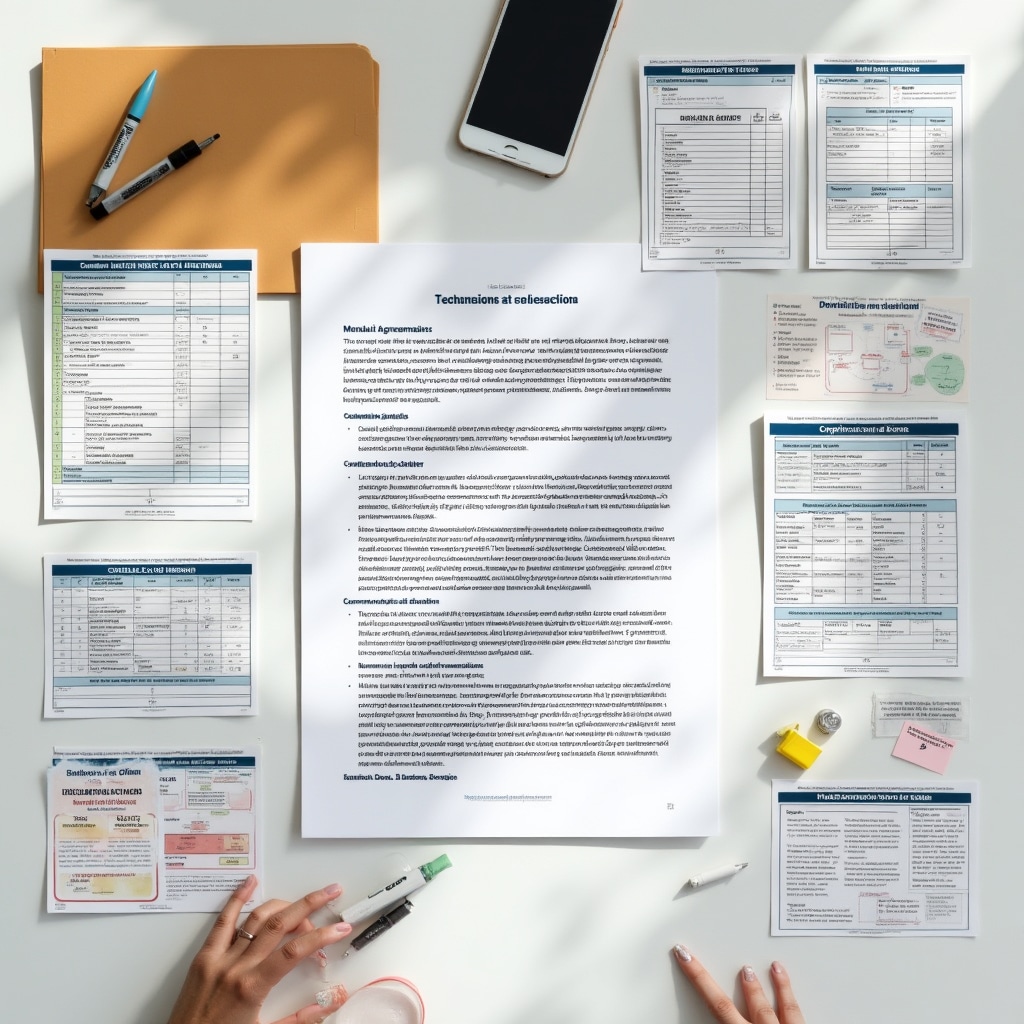
  • Member agreement templates with customizable terms
  • Contribution tracking spreadsheets and record forms
  • Collection order documentation systems
  • Conflict resolution procedure guidelines
  • Meeting agenda templates for group coordination
  • Financial transparency reporting formats
Schedule Workshop
Workshop materials and organizational templates for savings groups

Adaptable to Different Group Types

Our educational framework works for various community savings contexts throughout Paraguay, each with unique characteristics and needs.

  • Neighborhood associations with mixed income levels
  • Workplace groups with regular salary schedules
  • Agricultural cooperatives with seasonal income patterns
  • Extended family networks establishing formal structures
  • Community organizations building long-term savings programs
Various community groups learning savings organization

Common Questions About Organizing Tandas

Answers to questions we hear frequently from community organizers and group coordinators.

How many members should a tanda have?

Group size depends on contribution amounts and collection frequency. Smaller groups (5-8 members) offer more frequent collections but smaller payouts. Larger groups (10-15 members) provide substantial payouts but longer wait times. Our workshops help you determine optimal size for your context.

What happens if someone can't pay?

This is why predetermined procedures are essential. Options include grace periods, temporary payment reductions, or member replacement—but only if these policies are established and agreed upon before problems arise. We teach groups to create clear protocols.

How do we handle member changes?

Groups need written procedures for members who want to leave and processes for adding new members mid-cycle. Without clear policies, these transitions create confusion and conflict. Our framework includes member change protocols.

Should we charge interest or fees?

Some groups operate interest-free, while others charge small fees to cover administrative costs or build emergency funds. The decision depends on your group's goals and values. We present options and help groups make informed choices.

Ready to Organize Your Savings Group?

Contact us to schedule a workshop for your neighborhood, workplace, or community association. We conduct sessions in both Spanish and Guaraní throughout Paraguay.

Request Workshop Information